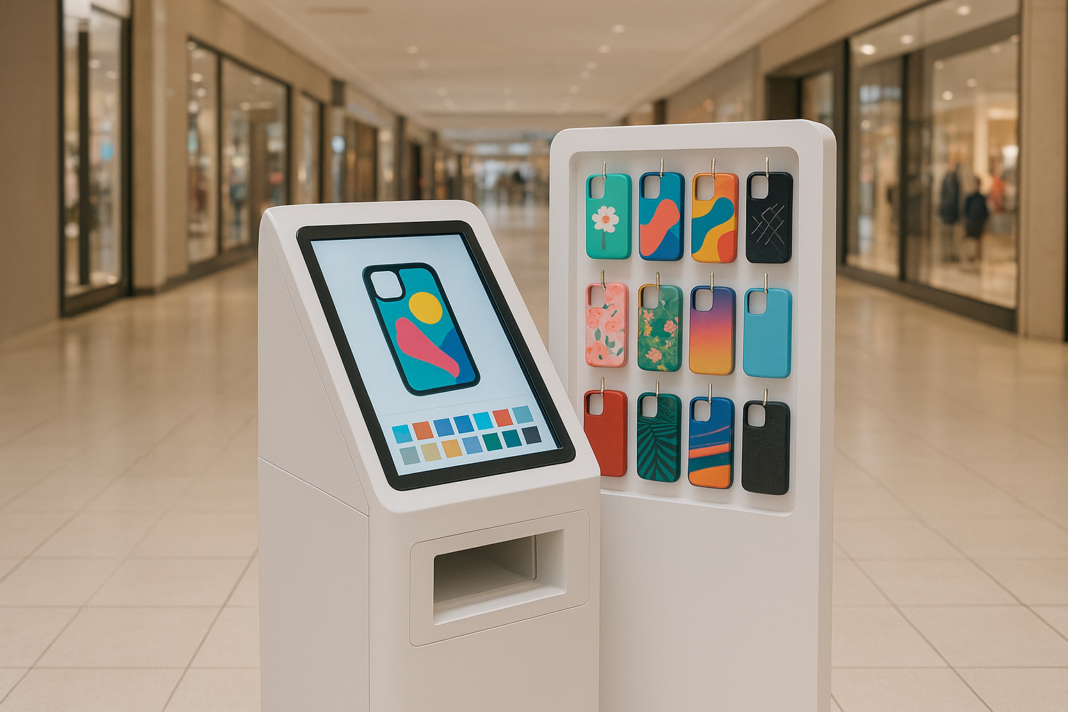

Small entrepreneurs increasingly look for business ideas that don’t require heavy upfront investment or complicated maintenance. For many, a good fit is a mobile phone case printing machine. This setup lets customers design and print a phone case on the spot. The result: buyers walk away with a personalized accessory in minutes, while shop owners get a steady stream of foot-traffic and sales.
Here’s what drives this trend, and what to know before you invest in one of these machines.
What Makes Phone Case Printing a Good Business Idea
People Like Personal Touch
Phone cases are no longer just protective shells. Many buyers treat them as fashion accessories or ways to express personality. Printing machines let customers pick designs, upload photos or art, and get custom prints immediately. That appeals especially to younger people, travelers, or anyone who likes personalized products.
Because the demand comes from people upgrading phones, gifting cases, or wanting fresh designs, the customer base stays broad. Shops offering custom-printed cases often see steady interest throughout the week, not only on weekends.
Low Entry Cost and Flexible Setup
Compared to traditional retail stores that need inventory for dozens of products, clothing racks, staff or large display space, a phone case printing setup is more compact and easier to run. You need:
- The printing machine itself
- A stock of blank cases for different phone models
- Printing materials (ink or printing sheets)
- A small display area — a kiosk, mall corner, or accessory shop
With these basics, you can start offering custom cases. For small business owners or side-business seekers, this makes this model very accessible.
Quick Service That Appeals to Shoppers
Printing a custom phone case usually takes between two to five minutes, depending on the machine and design. That speed matters. Customers don’t want to wait around. Fast turnaround encourages impulse buys. Someone walking by a kiosk sees a design they like, clicks a few buttons, and leaves with a personalized product within five minutes. That convenience can turn passing foot traffic into paying customers.
What to Check Before Buying a Machine
Not all printing machines are equal. The success of your venture depends a lot on what quality you get. Before you buy, compare these factors carefully.
Print Quality and Case Durability
Clear, vibrant prints make the difference between a case someone uses proudly and one that ends up discarded. Tests or sample prints help check for:
- Sharp details (especially in photos or intricate designs)
- Even color fill without blotches
- Good print adhesion — the design should not peel or fade quickly
- High-quality blank cases — durable material, good fit for different phone models
Low-quality cases or poor prints hurt customer satisfaction and undermine your business quickly.
Variety of Phone Models Supported
Customers come with all kinds of phones, from popular models to older or lesser-known ones. A machine that supports many makes and models increases your chances of sale. If most machines handle only a handful of models, you may lose business when a customer’s phone isn’t supported.
Ease of Use and Speed
The software that runs the design selection and printing must be easy to use. Customers may want to upload photos, add text, or pick designs from a gallery. If the interface is confusing or if printing takes too long, people may walk away. A smooth and quick user flow makes a major difference in customer conversion rates.
Maintenance and Reliability
A machine that breaks down frequently or needs constant maintenance becomes a liability. Choose a model built with sturdy parts, easy-to-replace components, and good supplier support. Regular maintenance (cleaning print heads, replacing worn parts) should be simple. Downtime reduces revenue, so reliability matters more than saving a few dollars upfront.
Space and Display Considerations
Your printing setup should fit the environment. Whether you plan a small kiosk, a shop corner, or a mall booth, measure the available space. Display blank cases neatly. Show sample prints so customers immediately understand what you offer. A cramped or messy display can discourage buyers even if your print quality is good.
What to Expect: Cost vs. Earnings
Typical Costs
- The printing machine itself (cost varies with size and features)
- Blank phone case stock, you need many different models to cover varied phones
- Printing supplies (ink, sheets, maintenance parts)
- Space or rent (if in a mall or rented shop)
Because the startup cost is relatively modest compared with large retail stores, the financial risk is lower.
Revenue Potential
Custom printed cases often sell at higher margins than generic store-bought cases. Because people pay for the personalization and instant output, they’re willing to pay more.
If you price a custom case competitively (let’s say in mid-range for your locale), consistent sales, even a few a day, can add up. On busy days, sales can spike, especially if you offer trendy or seasonal designs.
With good location and consistent stock/maintenance, many small business owners find this model profitable without needing to manage huge inventories or complicated logistics.
Best Places and Situations for Setup
This business model works well in certain settings:
- Mall kiosks or walkways where shoppers roam
- Mobile phone/accessory shops looking to add more offerings
- Markets or fairs, especially where tourists or gift-hunters visit
- College campuses or student neighborhoods younger crowd often likes custom cases
- Gift shops or stores near travel hubs, where travelers may want souvenirs or gifts
A setup in a high-footfall area significantly improves chances of success.
Common Mistakes to Avoid
Many who try this business make avoidable mistakes. Here are some frequent pitfalls:
- Buying the cheapest machines often delivers poor print quality or breaks down quickly
- Stocking very few phone models, small stock limits your potential customers
- Ignoring display and presentation, a messy layout or unclear offerings discourage buyers
- Not offering sample prints, customers may be unsure about quality without seeing a sample
- Placing a machine in a low-traffic location, even the best machine needs visibility
Avoiding these mistakes improves your chances of a smooth, steady earning venture.
Why This Trend Seems Long-Term
Phones remain one of the most widely used gadgets worldwide. As people upgrade, replace, or personalize them, phone cases keep selling. Demand for custom, personal designs continues, trends, fandom, photos, local art, and seasonal themes all fuel interest.
Because a printing machine setup needs little space, flexible stock, and low maintenance, it suits new business owners, shop expansions, or part-time ventures. That makes it likely the setup will stay relevant for a long time.
Final Thoughts
Using a quality phone case printing machine gives small business owners a simple, manageable way to enter retail with limited investment. With attention to print quality, case variety, location, and presentation, this business can attract a wide customer base from everyday buyers to gift-seekers and tourists. For those ready to commit, this model offers a practical path to a steady income and the flexibility to grow the venture over time.