
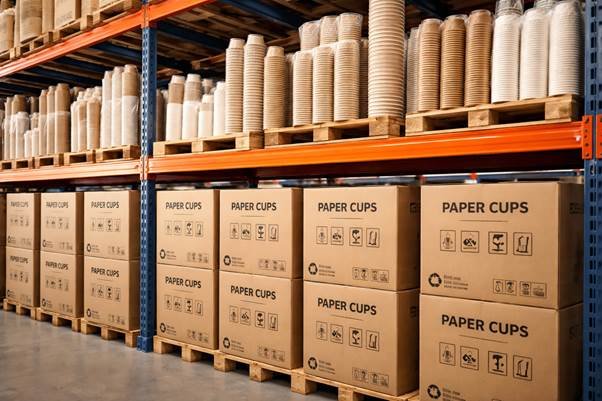
Every business tracks major expenses. Rent, payroll, utilities, ingredients. Yet small recurring costs often go unchecked. Paper cups fall into that category. They look minor on an invoice, but over a year they represent thousands in spend for cafés, restaurants, offices, and catering companies.
When you take sourcing seriously, you gain control over margins. Many businesses partner with a reliable paper cup distributor to stabilize supply and pricing, but real savings come from how you plan, order, and manage usage.
Start With Real Usage Data
Cost reduction begins with measurement. If you do not know how many cups you use each week, you cannot forecast properly.
Review three to six months of purchasing history. Identify which sizes move fastest. Notice seasonal patterns. For example, larger hot beverage cups may increase during colder months. Events or promotions may cause temporary spikes.
Once you understand consumption patterns, you can forecast quarterly needs with confidence. This reduces last-minute rush orders that often include higher shipping costs or limited inventory options.
Simplify Your Cup Range
Many businesses carry more cup sizes than necessary. Each variation adds storage pressure and complicates ordering cycles.
Look at your menu and actual sales mix. If two sizes overlap in volume or purpose, consider consolidating. Standardization increases order volume per SKU, which improves negotiating power and reduces leftover stock.
Fewer variations also simplify training for staff. Clear size structure reduces mistakes and waste.
Compare Total Cost, Not Just Price Per Cup
A low unit price can hide higher overall expense. Focus on total landed cost instead of headline numbers.
Evaluate:
- Shipping and freight charges
- Minimum order quantities
- Payment terms
- Quality consistency
- Replacement policies for defects
Low-quality cups that leak or collapse create product waste and damage customer experience. A slightly higher price for reliable performance often reduces total cost over time.
Buy in Bulk With a Plan
Bulk purchasing lowers per-unit pricing. That is simple math. The risk appears when storage and cash flow are not considered.
Calculate realistic three-month or six-month demand. Match bulk orders to that window. Confirm that your storage area is dry and clean. Paper absorbs moisture, which weakens structure and leads to waste.
If space is tight, negotiate split deliveries under one bulk contract. This keeps pricing low while preventing overstock.
Evaluate Construction and Material Quality
Not all paper cups are built the same. Thickness, lining, and wall construction influence durability and insulation.
A thinner cup may require double cupping for hot beverages. That instantly doubles your cost. Test samples before committing to large orders. Evaluate heat retention, rigidity, and lid fit.
One practical trial period can prevent months of avoidable losses.
Manage Custom Printing Strategically
Branded cups increase visibility, but design changes can increase cost.
Keep designs consistent across longer periods. Larger print runs reduce setup fees and improve per-unit pricing. Avoid frequent seasonal redesigns unless the marketing benefit clearly offsets the additional production cost.
Plan branding decisions alongside procurement cycles instead of treating them as separate initiatives.
Reduce Operational Waste
Purchasing efficiency alone is not enough. Staff behavior influences cost as much as supplier pricing.
Focus on simple controls:
- Train employees to avoid unnecessary double cupping
- Store cups properly to prevent damage
- Use correct sizes for each order
- Monitor waste during peak hours
Small improvements in daily handling prevent steady loss over time. A one percent reduction in waste can translate into meaningful annual savings at scale.
Strengthen Inventory Control
Stock mismanagement causes both overbuying and stockouts. Both increase cost.
Implement a basic inventory system. Track current stock, weekly usage, and reorder thresholds. Update records consistently. Set minimum levels that trigger purchase planning before emergency restocking becomes necessary.
Predictable ordering improves leverage during negotiations and avoids expensive rush shipments.
Negotiate Long-Term Supply Agreements
If your demand is stable, explore longer-term contracts. Suppliers often offer better pricing when volume commitments are clear and consistent.
Even small price improvements matter. Reducing cost by one cent per cup on 400,000 units saves 4,000 dollars annually. Over several years, that becomes substantial.
Longer agreements can also provide protection against sudden raw material price fluctuations.
Optimize Delivery and Logistics
Frequent small shipments increase freight expense. Consolidated scheduling lowers per-delivery cost.
Discuss:
- Consolidated monthly deliveries
- Regional warehouse options
- Coordinated freight with other products
Transportation efficiency often delivers savings without changing product specifications.
Review Supplier Performance Regularly
Markets shift. Competitors adjust pricing. Material costs fluctuate. Review supplier performance annually to ensure alignment with your financial goals.
Assess reliability, communication speed, defect rates, and consistency. Benchmark pricing against alternatives. Even if you stay with the same supplier, periodic evaluation maintains leverage.
Focus on Long-Term Efficiency Gains
Smarter sourcing is not about cutting corners. It is about structure and discipline.
Effective cost reduction includes:
- Accurate forecasting based on usage data
- Strategic bulk purchasing
- Quality testing before scaling orders
- Inventory tracking with clear reorder points
- Staff training to reduce waste
These combined actions produce compound savings. Paper cups may appear minor, but they represent a recurring expense that deserves active management. When you approach procurement with planning instead of habit, you gain control over margins. You reduce volatility, avoid emergency purchases, and protect service quality. Over time, disciplined sourcing transforms disposable packaging from a background expense into a managed cost center that supports sustainable growth.