
Introduction
Renting a car in Iceland is undoubtedly one of the best ways to explore the country’s breathtaking landscapes at your own pace. However, it’s crucial to understand that even minor damage to your rental car can lead to significant charges. The rugged terrain, unpredictable weather, and unique driving conditions often surprise tourists, resulting in unexpected damages that can put a dent in your travel budget. In this guide, we’ll dive into how rental car damages are assessed in Iceland and provide actionable tips to ensure your adventure doesn’t end in financial frustration.
Understanding Rental Car Damage in Iceland
Common Causes of Damage
Iceland’s natural beauty comes with its own set of challenges for drivers, especially those unfamiliar with the terrain. Understanding these common causes of damage can help you navigate safely:
- Gravel Roads: Many Icelandic roads, especially in rural areas, are unpaved and covered with gravel. This increases the risk of stones chipping your car’s paint or windshield.
- Sudden Weather Changes: Iceland is notorious for unpredictable weather, which can swing from sunny to stormy with little warning. This can reduce visibility and increase the likelihood of mishaps in heavy rain, snow, or ice.
- Strong Winds: The infamous Icelandic winds can reach speeds that damage car doors if not handled carefully. Wind can also drastically affect vehicle stability, making driving on open roads challenging.
- Sand and Ash: Volcanic activity introduces the risk of sand and ash storms that can scratch and abrade your car’s exterior. These conditions are common in areas near active or historic volcanic sites.
- Wildlife and Livestock: Encounters with wildlife, such as reindeer or sheep, which often roam freely across roads, can lead to unexpected impacts. These animals are particularly common in more rural regions, and collisions can cause significant damage to your vehicle.
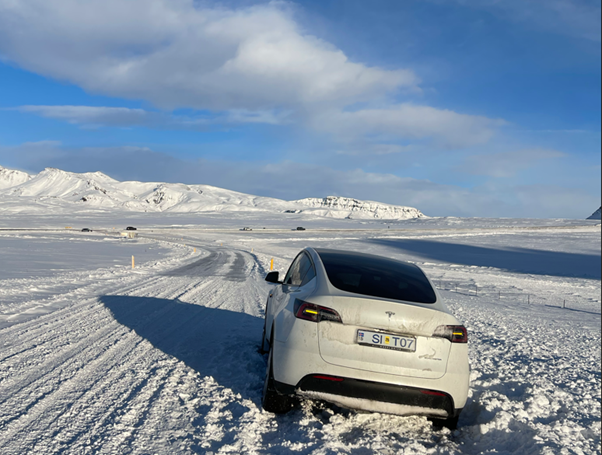
The strong wind caused the vehicle to skid and enter the snow pile on the roadside
Iceland’s unique driving environment increases the likelihood of small but costly damage. Gravel roads can chip paint and crack windscreens. Strong winds can slam doors into adjacent vehicles. According to industry analysis by CarInsuRent, glass and tyre-related incidents are among the most frequently claimed damages in Nordic destinations. These are precisely the types of issues that often fall outside basic rental coverage.
Understanding these common causes is essential for preparing adequately and taking preventive measures while driving in Iceland. Keeping these factors in mind will help you adapt to local conditions and enjoy a hassle-free journey.
Typical Repair Costs
Understanding the typical repair costs in Iceland can help you prepare financially and choose appropriate insurance coverages. Here’s what you can expect for common damages:
- Windshield Repairs: Chips and cracks from gravel can require replacements that range from ISK 50,000 to ISK 100,000, depending on the damage extent. Windshield protection is often a wise add-on.
- Paint and Bodywork: Scratches or dents, often from gravel or ash, may incur costs starting from ISK 20,000 for minor touch-ups and reaching up to ISK 150,000 or more for larger repairs.
- Undercarriage Issues: Damage to the car’s undercarriage from uneven roads or debris can be particularly expensive, with repairs ranging from ISK 70,000 onwards. This risk highlights the value of comprehensive coverage for unexpected terrain challenges.
- Tire Replacement: Flat tires from sharp gravel or lack of maintenance are quite common, with costs averaging around ISK 30,000 per tire. Regular checks and proper inflation can help manage these incidents.
- Mirror and Light Damage: Replacement of broken side mirrors or lights, often due to narrow roads or reversing mishaps, can cost between ISK 20,000 and ISK 60,000. Rearview mirror protection is sometimes a separate coverage option.
Even what looks like minor cosmetic damage can quickly escalate into a significant charge. According to claims data published by CarInsuRent, more than half of rental damage claims across Europe involve relatively small incidents such as bumper scrapes, cracked windshields, or wheel damage. In destinations like Iceland, where gravel roads and harsh weather conditions are common, these seemingly minor issues can easily exceed standard excess amounts.
Being aware of these potential costs highlights the importance of selecting the right insurance options and driving carefully on Iceland’s unique roads. This knowledge helps you avoid unexpected expenses during your travel adventure.
Navigating Insurance Options
What Is Covered by Standard Policies?
Standard rental car policies in Iceland typically offer basic coverage known as a Collision Damage Waiver (CDW). This coverage is crucial as it limits your financial responsibility for damages to the vehicle in the event of an accident. However, it’s important to note that CDW usually comes with a significant deductible, meaning you’re liable for costs up to a certain amount before the insurance kicks in.
Basic policies often exclude coverage for certain types of damage. For instance, damages caused by gravel, ash, and natural disasters such as floods or volcanic eruptions are typically not covered. Additionally, damage to the undercarriage, tires, and glass components might not fall under standard policy coverage unless specified.
Understanding the exact stipulations of what’s covered by standard policies can prevent unwelcome surprises. It’s always wise to read the fine print and ask rental companies specific questions regarding what is and isn’t included to ensure you’ve covered all your bases.
The Importance of SCDW
Super Collision Damage Waiver (SCDW) is key to safeguarding yourself against hefty repair charges. Opting for an SCDW significantly lowers the deductible, reducing your exposure to out-of-pocket expenses following an incident. By paying a slightly higher daily rate, you can enjoy a much higher level of coverage, allowing you to explore Iceland’s rugged terrain with more peace of mind. Many travelers find this additional coverage worthwhile given the unpredictable weather and gravel roads.
Overall, the SCDW can be an invaluable add-on to mitigate financial risks and ensure a smoother, worry-free driving experience in Iceland. It’s a sensible choice for those wanting to explore the country fully without fear of unforeseen expenses.
Third-Party Insurance Considerations
When planning your Icelandic adventure, considering third-party insurance options may provide additional benefits and savings compared to rental company offerings. These external policies often fill in the gaps left by standard and supplemental waivers, sometimes at more competitive rates.
Third-party insurance can cover areas not typically included by rental companies, meaning you would not need to pay any deductible in case of a claim. These policies are popular for travelers seeking extensive coverage beyond the standard options.
Because minor damage is statistically far more common than major collisions, many experienced travelers choose to arrange excess protection in advance. Providers such as CarInsuRent offer standalone policies that can cover excess charges, glass, tyres, undercarriage and administrative fees, often at a lower overall cost than purchasing zero-excess cover at the rental desk.
While third-party insurance can be a cost-effective and comprehensive choice, ensure that it is acknowledged by your rental agency to avoid complications during the claims process. This due diligence ensures you’re well-protected and can focus on enjoying your journey.
Steps to Take After an Incident
Ensuring Safety First
After any incident on the road, your top priority should always be ensuring your safety and that of your passengers. Here are the crucial steps you should follow to secure the situation effectively:
- Move to a Safe Location: If the vehicle is operable, carefully steer it to the side of the road or a secure area to avoid blocking traffic and reducing the risk of further incidents. Always be aware of your surroundings, especially on narrow roads that are common in Iceland.
- Activate Hazard Lights: Immediately turn on your vehicle’s hazard lights to alert other drivers of the potential danger, especially in adverse weather conditions like fog or rain that can impede visibility. This simple action can significantly reduce the risk of additional impacts.
- Check for Injuries: Ensure that everyone involved is unharmed. Make note of any injuries, minor or major, and prioritize calling emergency services if medical assistance is required. Iceland’s emergency number is 112, which should be dialed promptly in serious situations.
- Assess the Environment: Evaluate the immediate vicinity for hazards such as oncoming traffic, unstable ground, or adverse weather conditions. Being aware of your surroundings ensures you stay safe while you handle the situation and prevents further accidents from unfolding.
Ensuring safety after an incident not only protects physical well-being but also sets a calm and controlled stage for handling subsequent steps, such as documentation and reporting. This proactive approach helps ensure that the situation is managed efficiently and safely.
Documenting the Scene Efficiently
Efficiently documenting the scene after an incident is crucial for insurance claims and any potential legal proceedings. Here’s how you can capture all necessary details effectively:
- Take Comprehensive Photos: Use your smartphone to photograph all damage to your vehicle, any other vehicles involved, and the surrounding area. Capture multiple angles to provide clear context. These visuals are instrumental in supporting your account of the incident.
- Note Environmental Conditions: Make detailed notes about the date, time, weather, and road conditions as these details can be crucial when recounting the event to authorities or insurance providers. Iceland’s weather can change rapidly, impacting the dynamics of the incident.
- Gather Witness Information: If there are any witnesses, politely ask for their contact information and inquire whether they’re willing to provide a statement. Witnesses can offer valuable third-party perspectives, strengthening your case if disputes arise.
- Sketch the Scene: Draw a simple sketch of the scene, noting the positions of each vehicle before and after the incident. Clearly mark where the collision occurred and any distinctive landmarks. Even a basic sketch can be incredibly useful in conveying the scene layout, especially in complex scenarios involving multiple vehicles or hazards.
By diligently documenting the scene, you ensure that you have a comprehensive record that can aid significantly in future negotiations or claims processes. This thorough approach safeguards your interests and can expedite dispute resolution.
Managing Unexpected Charges
When an incident occurs with your rental vehicle, it’s important to be aware of additional costs beyond just the repair expense. Rental companies often impose administrative fees to cover the processing of claims and handling related documentation. Here’s what you need to know about these charges:
- Purpose of Fees: Administrative fees compensate the rental company for the time and resources spent managing your case. This includes filing insurance claims, liaising with repair shops, and completing necessary paperwork. These fees are standard practice in the industry.
- Common Fee Amounts: The fees can vary, but they typically range between ISK 10,000 and ISK 30,000 depending on the complexity of the incident and the rental company’s policies. It’s wise to inquire about these fees at the outset of your rental agreement to understand potential costs.
- Transparency and Communication: Good rental agencies will clarify these fees in your contract and should be transparent about them when you report an incident. If charges seem unclear or excessive, don’t hesitate to request a breakdown and rationale from the company.
- Avoiding Surprise Charges: To avoid unpleasant surprises, thoroughly review your rental contract before departure. Ensure you understand all conditions related to administrative fees and confirm with the rental agency whether these fees apply in specific scenarios, such as minor damages or roadside assistance.
Being proactive about understanding administrative fees enables you to plan your travel budget more effectively and ensures that you’re fully prepared for any situation that may arise during your road trip in Iceland. Communication and clarity can significantly minimize financial stress related to incidental charges.
Pro Tips to Minimize Risks
Smart Precautions for Iceland Roads
Iceland’s roads, while offering stunning views, come with their own set of challenges. By taking smart precautions, you can enhance your driving safety and minimize risks during your journey.
- Stay Informed: Continuously check the Icelandic Road and Coastal Administration’s website or apps like Veður for real-time road and weather conditions. Iceland’s weather can change rapidly, impacting road safety significantly.
- Understand Road Types: Be aware that many roads, especially in the highlands, are gravel and require a 4×4 vehicle. These are often marked as F-roads and can be treacherous if not navigated properly. Studying road types and signage in advance ensures you’re adequately prepared.
- Mind the Speed Limits: Speed limits differ between road types; paved roads typically have a higher speed limit than gravel roads. Adhering to these limits is crucial for safety and to avoid fines. Note that conditions often require driving below the maximum speed limit.
- Traffic and Wildlife Awareness: Be vigilant for animals on the road, especially in rural areas. Sheep, reindeer, and horses are common sights, and sudden encounters with these can lead to accidents. Always slow down in areas marked with wildlife warnings, and be prepared for unexpected crossings.
- Plan for Weather Changes: Carry essentials like blankets, water, and a first aid kit since weather conditions can strand you unexpectedly. It’s also smart to schedule trips to avoid night driving, as visibility can be challenging outside urban areas.
By taking these precautions, you can focus more on the breathtaking scenery rather than unexpected risks. Proper planning and awareness are your best allies in ensuring a safe and enjoyable Icelandic road trip. Empower yourself with the knowledge you need to explore this beautiful yet challenging landscape with confidence.
Essential Insurance Add-ons
When renting a car in Iceland, essential insurance add-ons can provide crucial coverage that safeguards you from the unique driving challenges of this beautiful country.
- Gravel Protection: Given Iceland’s extensive gravel roads, this add-on covers damages like windshield chips and car body scratches caused by loose stones. Gravel protection is particularly valuable as it offers peace of mind on unpaved or less-traveled paths.
- Sand and Ash Protection: Volcanic activity can stir up sand and ash storms that scratch and wear vehicle paint. This protection covers related damages that standard policies typically exclude. Opting for this can be essential, especially if traveling near volcanic areas.
- Theft Protection: Though Iceland is generally safe, theft protection adds a layer of security should anything go awry, covering losses related to vehicle theft or break-ins. This can be particularly reassuring in urban centers or when parking in less secure areas.
- Tire and Windshield Coverage: Often, these parts aren’t fully covered by standard policies. Adding this protection can mitigate costs if gravel or unexpected debris causes damageto these vulnerable areas, common occurrences on Icelandic roads. Ensuring coverage for tires and windshields can prevent significant out-of-pocket expenses.
- Roadside Assistance: This add-on ensures help is readily available in case of breakdowns or other roadside issues. Considering Iceland’s remote landscapes, having access to immediate assistance can provide tremendous peace of mind.
Choosing the right insurance add-ons tailored to Iceland’s unique conditions ensures you’re well-protected. While these add-ons might increase upfront costs, they can save you from substantial expenses and stress, allowing you to enjoy your adventure without disruptions. Taking the time to understand these options and their value is a smart move for any traveler exploring this stunning yet demanding terrain.
FAQs
Are gravel and ash damages commonly covered?
Gravel and ash damages are usually not covered by standard rental car policies in Iceland. However, many rental companies offer specific add-ons for gravel and ash protection, which can be crucial due to Iceland’s prevalent gravel roads and volcanic activity. These add-ons cover damages like windshield chips and paint scratches caused by these elements.
How does my credit card insurance play into rental coverage?
Credit card insurance can offer secondary coverage on rental cars, supplementing what your primary policy doesn’t cover. It may include collision damage waivers and theft protection, but usually excludes liabilities and specific damages like gravel or ash. Check with your provider for coverage details and ensure it’s accepted by your rental company.