
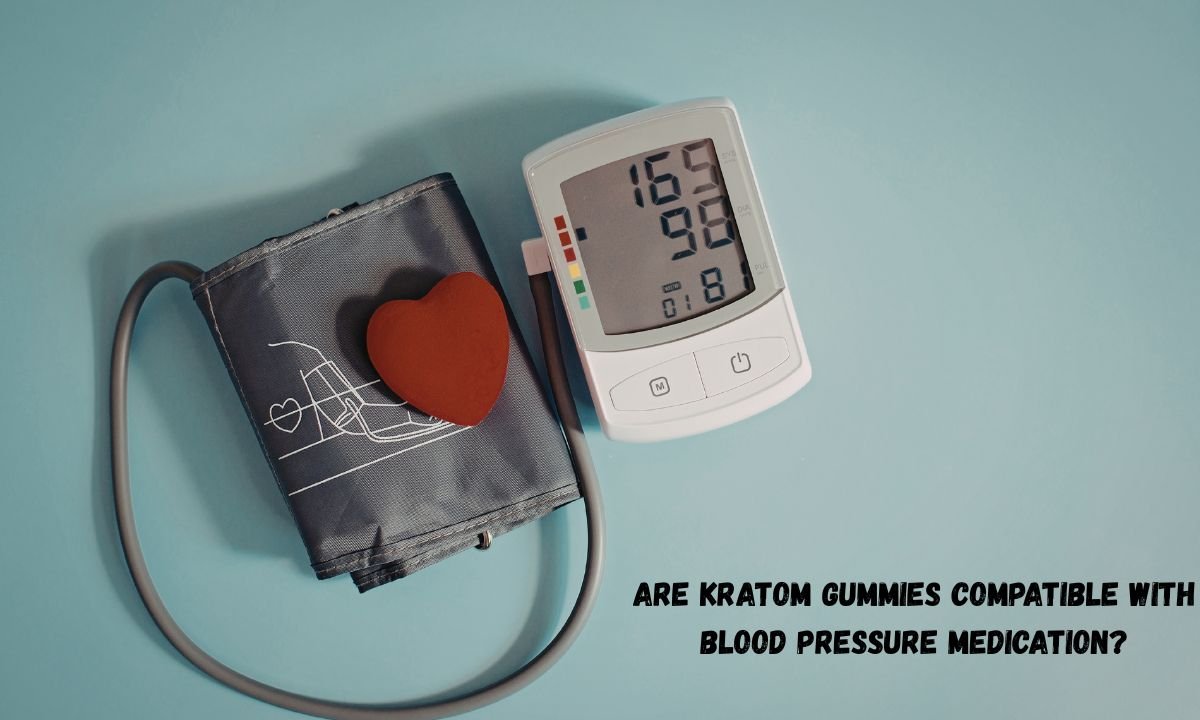
Kratom products have become increasingly popular in recent years as people search for alternative ways to manage discomfort, improve mood, or support relaxation. Among the many options available, Kratom Gummies have gained attention because they are easy to consume, discreet, and often more pleasant in taste compared to powders or capsules. However, individuals who take prescription medications—especially for blood pressure—often wonder whether combining these products is safe. Understanding how kratom interacts with the body and medications is important before adding it to your routine.
Understanding Kratom and How It Works
Kratom is derived from the leaves of the Mitragyna speciosa tree, a plant native to Southeast Asia. The leaves contain active compounds such as mitragynine and 7-hydroxymitragynine, which interact with receptors in the brain. These compounds may influence mood, energy levels, and pain perception.
Today, kratom is available in several forms, including powders, capsules, extracts, and Kratom Gummies. Gummies are especially popular among new users because they are pre-measured and simple to take. Instead of measuring powder or brewing tea, users can consume a gummy with a known amount of kratom extract.
Despite their convenience, kratom products can affect the body’s systems, including the cardiovascular system. Because of this, individuals taking blood pressure medication should approach kratom products carefully.
How Blood Pressure Medications Work
Blood pressure medications are designed to regulate how the heart and blood vessels function. Different types of medications work in different ways. For example:
- ACE inhibitors relax blood vessels
- Beta-blockers slow the heart rate
- Calcium channel blockers reduce the force of heart contractions
- Diuretics help remove excess fluid from the body
Each medication changes how the cardiovascular system operates. Because kratom compounds may also influence the body’s nervous system and circulation, mixing kratom with these medications could potentially alter their effects.
Possible Interactions Between Kratom and Blood Pressure Medication
Research on kratom interactions with prescription medications is still limited. However, some experts believe that kratom may influence enzymes in the liver that process medications. When these enzymes are affected, drugs may break down more slowly or more quickly than expected.
If kratom slows the breakdown of blood pressure medication, the medication could remain in the body longer and possibly cause stronger effects. On the other hand, if kratom speeds up the breakdown process, the medication might not work as effectively.
For people who consume Kratom Gummies, this means the body may process both kratom compounds and blood pressure drugs at the same time. This overlap raises the possibility of unpredictable results, especially if doses are not carefully managed.
Potential Effects on Blood Pressure
Another factor to consider is how kratom itself may affect blood pressure. Some users report mild stimulation and increased alertness after consuming kratom. In certain situations, these effects may temporarily raise heart rate or blood pressure.
At different doses, kratom may also create relaxing or sedative effects. Because these responses vary between individuals, the impact on blood pressure can differ as well. When combined with medication intended to regulate blood pressure, this variability could complicate how the body responds.
For individuals already managing hypertension or cardiovascular conditions, even small changes in heart rate or circulation may be significant.
Safety Considerations
Anyone who is currently taking prescription medication for blood pressure should speak with a healthcare professional before using kratom products. A doctor or pharmacist can evaluate possible interactions and determine whether kratom could interfere with a person’s treatment plan.
Even if someone decides to try kratom products, it is generally recommended to start with a very small amount and monitor how the body reacts. Products such as Kratom Gummies may appear mild or convenient, but they still contain concentrated kratom extracts that can influence the body’s systems.
Other safety considerations include:
- Avoid combining kratom with multiple medications without medical advice
- Monitor blood pressure regularly if using kratom
- Watch for symptoms such as dizziness, rapid heartbeat, or unusual fatigue
- Choose products from reputable sources with clear labeling
These precautions may help reduce risks associated with combining kratom products and prescription drugs.
The Importance of Individual Health Factors
Every person’s health condition is different. Age, weight, medical history, and the specific blood pressure medication being used can all influence how the body reacts to kratom. Some people may experience little change, while others may notice stronger effects.
Because of this variability, there is no universal answer to whether kratom products are fully compatible with blood pressure medication. What may seem safe for one individual could present challenges for another.
People with existing cardiovascular conditions should be particularly cautious. Monitoring health closely and consulting medical professionals can help prevent unexpected complications.
Final Thoughts
Kratom products continue to attract interest from individuals seeking alternative wellness options. The convenience and flavor of Kratom Gummies have made them especially popular among new users. However, anyone taking medication for blood pressure should approach kratom carefully.
The potential for interaction exists because kratom compounds and prescription drugs may be processed through similar pathways in the body. While research is still developing, medical guidance remains the safest way to determine whether kratom products are appropriate for someone with hypertension.
In many cases, a healthcare provider can help evaluate possible risks and recommend safer alternatives if necessary. When it comes to combining supplements and prescription medications, informed decisions and professional advice play a key role in protecting long-term health.