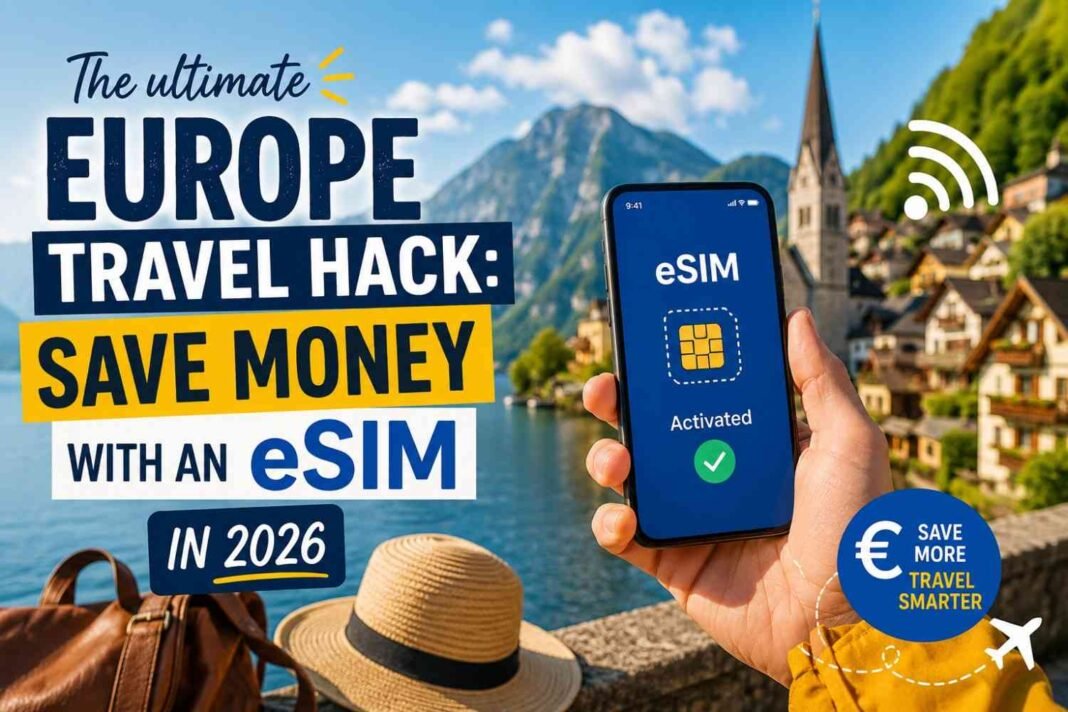

Traveling across Europe is now simpler than ever, especially when expensive phone bills and connectivity hassles are left behind. The eSIM has emerged as the go-to solution for savvy travelers looking to save money, avoid roaming charges, and enjoy seamless mobile internet. Forget about swapping tiny plastic cards or wrestling with airport kiosks—this digital SIM card unlocks true freedom. With a few clever travel hacks, a journey becomes not only more affordable but also far more convenient, offering instant access to unlimited data and peace of mind.
Why travelers love the eSIM advantage
Europe boasts excellent connectivity, yet visitors often get trapped by exorbitant roaming fees that locals never face. The eSIM changes this dynamic completely. As a digital SIM built into modern smartphones, it allows any compatible device to become ‘local’ in minutes, ensuring reliable mobile internet throughout Europe without breaking the bank. For those looking for the best Esim Europe hack, there are now convenient options that eliminate the need for paper clips, lines at arrivals, or worries about losing signal in remote areas.
With an eSIM, travelers can download before they fly, activate their plan from home, and step off the plane fully connected—ready to find directions, book transport, or share photos instantly. This approach removes the stress of hunting for SIM cards on arrival and eliminates dependence on spotty public Wi-Fi networks, making every trip smoother from day one.
How to activate an eSIM before a Europe trip?
This connectivity hack is refreshingly straightforward, requiring just a few basic steps to secure reliable and cost-effective service for any European adventure. Here’s the process:
- Check if the smartphone supports eSIM. Most devices released in recent years are compatible.
- Research reputable eSIM apps such as Airalo, Holafly, Simify, or Saily, which offer widespread European coverage. Compare several data plans, prioritizing unlimited options or those with generous allowances for heavy users.
- Purchase the chosen plan online—there is no need for shipping. After payment, a QR code or activation instructions arrive via email instantly.
- Download the appropriate app or use native device settings, then scan the QR code and follow the prompts to add the new profile.
- Select and activate the eSIM profile through the phone’s settings. Plans may be set up to begin on the exact day of arrival in Europe.
This preparation avoids last-minute confusion at the airport and lets travelers take full control over their spending right from the start. Activating the eSIM before departure is the smartest way to save money and sidestep surprise roaming costs later.
For added convenience, keep the original SIM card stored safely. Many phones allow easy switching between the physical SIM and the eSIM, so maintaining both personal and travel numbers during the trip is hassle-free.
Comparing eSIM data plans for the smartest savings
Choosing the ideal travel data plan depends on individual habits and itinerary. Some plans promise true unlimited data, while others cater to light users who only need maps and messaging. Smart comparisons ensure there is no overspending and that the connection stays fast across borders.
Evaluate prices, network partners, and whether the plan covers multiple countries or just one. Coverage maps and user reviews reveal real-world performance differences, especially between rural locations and major cities like Berlin or Milan.
Features to consider in a Europe travel data plan
Think about what is essential: some travelers require voice calls or SMS, others simply need steady data for GPS and apps. Multi-country support is crucial for trips involving frequent border crossings. Look out for features such as rollover data, hotspot/tethering capability, rapid top-ups, and flexible expiry dates—these additions prevent hidden costs and maximize budget efficiency.
Plans that include simple renewal processes or automatic alerts about usage help avoid running over limits and incurring extra charges. For groups or families, selecting a plan that supports hotspot sharing can multiply the value of each gigabyte purchased.
Understanding “unlimited” data offers
Many providers boast unlimited data, but fair usage policies sometimes apply. It is important to read the fine print: after a daily threshold, speeds may be reduced. Those planning to stream video or work remotely should pay close attention to these details. A bit of research goes a long way toward avoiding slowdowns or frustration mid-trip.
Genuine savings come from plans without restrictive caps or hidden fees. Checking real traveler reviews, particularly from experienced Europe explorers, helps clarify what to expect regarding speed and reliability throughout the journey.
Frequently asked questions about eSIM and travel hacking
The transition from traditional SIM cards to eSIM technology often raises practical concerns. Addressing these questions ahead of time makes it easier to prepare and ensures confidence upon landing.
Here are some common queries with actionable solutions:
Will an eSIM work in every European country?
Most destinations in Europe now support eSIM services, but certain regions may have limited compatibility. It is wise to consult updated lists from official operators or leading eSIM apps to verify service availability along the route.
As a backup, consider carrying a spare SIM or choosing a plan with global coverage, especially when venturing into less-traveled areas where local infrastructure might be inconsistent.
What if a device runs out of data during the trip?
Refilling data is easy with most eSIM apps. Simply connect to Wi-Fi, log in, and top up the plan—often in seconds. Setting up usage alerts within the app helps track consumption and prevents unexpected interruptions. Matching the plan to actual needs minimizes the risk of running short, whether traveling for business or leisure.
Choosing a flexible provider allows quick upgrades or extensions if circumstances change mid-journey.
Tips and tricks to maximize eSIM savings on a Europe itinerary
A strategic approach brings both financial and practical benefits. Downloading essential travel apps, city maps, and language tools ahead of time reduces in-trip data demand. Disabling high-data background apps stretches even modest packages further, especially over multi-week tours.
Combining free public Wi-Fi (available in cafés, train stations, or hotels) with a prepaid eSIM means using less paid data overall, multiplying the savings. Families and groups can amplify this effect by sharing one device’s connection via hotspot or tethering functionality.
Keep an eye on seasonal promotions and bonus data offers from various providers. Deals often appear around holidays or peak travel seasons, rewarding advance planners with extra gigabytes at no additional charge. Subscribing to provider newsletters or checking their websites before booking delivers an informational edge.
At the end of the journey, the advantages extend beyond memories and souvenirs—the financial benefit of having avoided roaming charges will be clear when the next phone bill arrives. For anyone seeking flexibility, freedom, and flawless mobile internet, embracing the eSIM is truly the ultimate 2025 travel hack for exploring Europe on a smart budget.