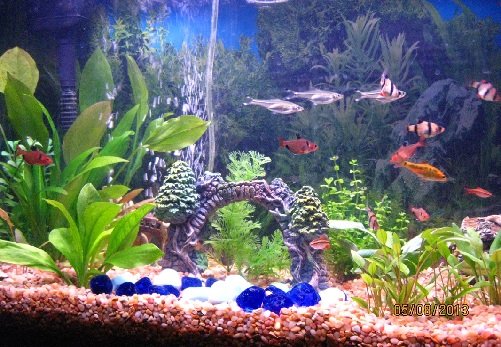

Creating a tropical fish aquarium at home brings color, life, and constant motion into any room. While the idea may seem complicated, setting up a vibrant tank is easier when each step is approached thoughtfully. A well-planned aquarium provides balance, long-term fish health, and a pleasing visual experience for the keeper. To achieve the perfect setup, it is essential to understand equipment selection, tank preparation, water conditioning, and the introduction of fish. With care and patience, anyone can build a thriving underwater environment that tropical fish can enjoy for years. Many aquarists begin their setup by browsing freshwater fish for sale that fit their tank size and community goals, ensuring a smooth start to a balanced tropical environment.
Selecting The Right Tank Size For Long-Term Success
The first step in building a tropical aquarium is choosing a suitable tank size. Many beginners start too small, which results in limited space, unstable water conditions, and stressed fish. A medium-sized aquarium is usually more stable and forgiving because it dilutes waste more efficiently and offers room for fish to swim freely. Larger tanks also provide better scope for aquascaping with plants, rocks, and decorative hideaways. Before buying any equipment, decide how much space is available at home and match the tank size accordingly.
Choosing Essential Equipment For A Healthy Water Balance
Once the tank is selected, gathering the proper equipment becomes the foundation for a well-functioning aquarium. A quality filter is crucial because it removes debris, breaks down harmful waste, and circulates oxygen in the water. A heater maintains warm temperatures that tropical species require to stay active and colorful. A thermometer helps track changes accurately, while a test kit measures PH and ammonia levels. Good lighting supports plant growth and enhances fish coloration without overheating the tank. By setting up equipment properly from the beginning, the aquarium becomes stable before fish are introduced.
Preparing The Tank Before Adding Water
A tank must be cleaned and positioned carefully to avoid future problems. Rinsing the interior with warm water removes dust and residue left from packaging. The aquarium should stand on a level, sturdy surface where it will not be disturbed. Backgrounds, rock structures, and substrate should be added at this stage to prevent cloudy water once the tank is filled. Gravel or sand must be rinsed thoroughly until the water runs clear. Thoughtful placement of decorations, caves, and plants will create natural pathways for swimming and reduce territorial disputes among fish.
Understanding Water Treatment And Cycling
Proper water preparation is one of the most important steps when setting up a tropical aquarium. Tap water often contains chemicals that are unsafe for fish, so a good water conditioner neutralizes chlorine and heavy metals. The following crucial process is cycling, which builds beneficial bacteria in the filter and substrate. These bacteria help break down fish waste into less harmful substances. Cycling usually takes several days and should not be rushed. During this time, the water may be tested regularly to ensure that ammonia and nitrite levels are safe. A fully cycled tank provides a stable home where fish can thrive.
Selecting Compatible Tropical Fish For A Peaceful Environment
Choosing fish that get along well with one another makes the aquarium calm and visually appealing. Tropical fish vary in temperament, size, and activity level, so research helps avoid conflicts. Peaceful schooling species create a balanced scene while larger centerpiece fish can serve as focal points. It is always better to introduce only a few fish at first, then gradually add more as the system becomes stable. Feeding them a varied diet of flakes, pellets, and occasional frozen treats enhances color and vitality.
Maintaining The Aquarium For Long-Lasting Beauty
A successful tropical aquarium relies on consistent care, but it does not require constant work. Small weekly water changes keep the environment clean and oxygen-rich. Wiping algae from the glass improves clarity, while testing water parameters ensures that conditions remain stable. Feeding should be moderate rather than excessive because leftover food can disrupt water quality. Observing fish daily also helps detect health issues early.
Final thoughts
Setting up the perfect tropical fish aquarium is a rewarding project that blends planning, creativity, and gentle maintenance. When the tank is prepared correctly and stocked with compatible species, the underwater world becomes both peaceful and captivating. Any aquarist can appreciate the beauty of tropical fish in a well-balanced, natural home environment with perseverance and careful attention.