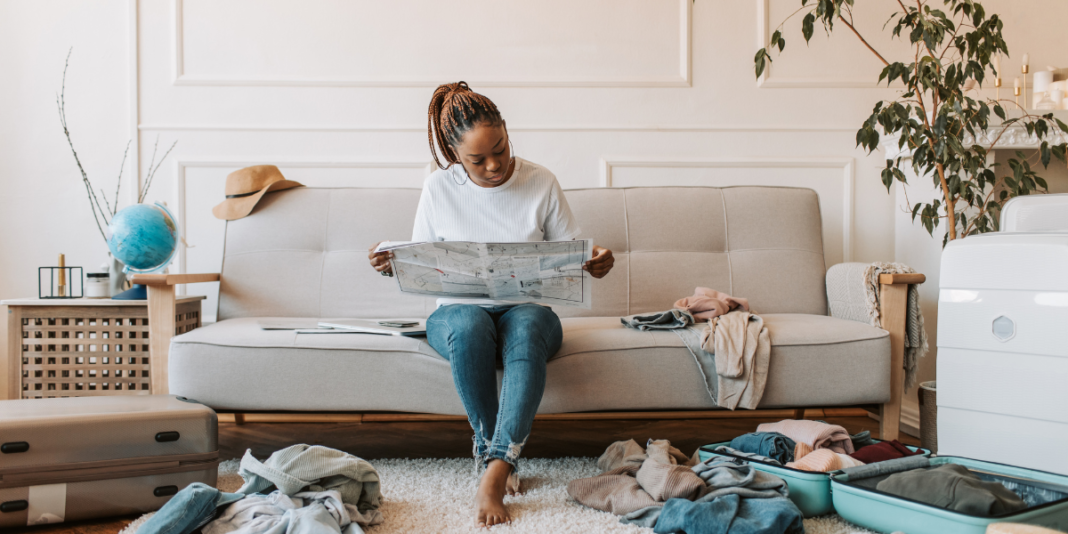

The spaces you live in shape how you feel, often more than you realize. A crowded room can make it harder to relax, while an open and organized space tends to feel calmer. Clutter is not only a visual issue. It can quietly affect stress levels, focus, and emotional balance. When your surroundings feel busy or disorganized, your mind often feels the same way.
Many people notice this when they try to unwind but keep getting distracted by piles of papers, overfilled shelves, or items with no clear place. Even when you are not thinking about these things, your brain still takes them in. Over time, this can lead to ongoing tension that affects mood, sleep, and the ability to feel at ease at home.
Why Clutter Feels So Overwhelming
Clutter creates constant visual input. Your brain is always processing what it sees, even in the background. When there are too many objects in a space, it becomes harder to focus and think clearly. This is one reason a messy room can feel tiring or stressful.
There is also an emotional side to clutter. Some items carry memories, unfinished tasks, or feelings of obligation. A stack of unopened mail or a crowded desk can serve as a reminder of things you still need to handle. These small signals can build up and make it harder to feel calm.
The Link Between Environment and Mental Health
People who live in cluttered spaces often report higher levels of stress and lower satisfaction with their home. This does not mean that a messy room causes anxiety on its own, but it does show how closely the environment and emotions are connected. When a space feels out of control, it can be harder to relax.
An organized space supports focus and a sense of ease. When items are where you expect them to be, daily tasks become simpler. This can improve how you move through your day and how well you rest at night.
Decluttering as a Form of Self-Care
Clearing clutter can be a way to take care of yourself. A space that feels orderly and functional supports mental well-being. The goal is not to make everything perfect but to create a setting that feels comfortable and manageable.
Organizing also brings a sense of control. When you decide what stays in your space and what does not, you are shaping your environment to suit your needs. This can feel grounding, especially during stressful periods.
How to Decide What Stays and What Goes
Letting go of items is often the hardest part. Many people keep things because they once had meaning or might be useful later. A helpful approach is to focus on how an item fits into your life right now.
If something no longer serves a purpose or brings enjoyment, it may be better stored elsewhere or given away. For items that matter but are not needed every day, keeping them out of sight can reduce visual clutter without forcing you to part with them.
Using Storage to Support a Calmer Home
Sometimes the goal is not to get rid of everything but to create more space. Storage can help by moving less-used items out of your main living areas. This includes seasonal clothing, hobby supplies, and keepsakes that you want to keep but do not need nearby.
Choosing the right amount of storage makes a difference. A clear breakdown of storage unit sizes and what they can hold makes it easier to find a space that fits your belongings without crowding them or paying for more room than you need.
Small Changes That Make a Big Difference
You do not need to reorganize your entire home to feel a shift. Clearing one surface, sorting a drawer, or removing a few unused items can change how a room feels. These small steps can make a space feel lighter and more comfortable.
As you see how even small changes affect your mood, it often becomes easier to continue. Over time, these simple actions can lead to a home that feels more open and easier to live in.
A Simple Approach to Reducing Clutter
If you are unsure where to begin, breaking the process into smaller steps can help. Instead of trying to tackle a whole room, start with one area or type of item. This makes the task feel more manageable.
One way to sort your belongings is to think about them in three groups:
- Items you use often and want to keep nearby
- Items you want to keep but do not need in daily life
- Items that no longer serve a purpose and can be donated or removed
This approach helps you make choices without feeling overwhelmed. You are simply deciding where each item belongs.
Once things are sorted, it becomes easier to create a living space that feels balanced. The items you enjoy using stay close, while everything else is stored safely or cleared away.
How a Clearer Space Supports a Clearer Mind
As your space becomes more organized, you may notice changes in how you feel. Many people experience better sleep, less stress, and improved focus when their surroundings feel more orderly. These changes may be gradual, but they are meaningful.
A calmer home also makes it easier to enjoy everyday moments. Whether you are reading, spending time with family, or relaxing on your own, there are fewer distractions pulling your attention. By shaping your space with care, you create a home that supports your mood, energy, and overall sense of well-being.