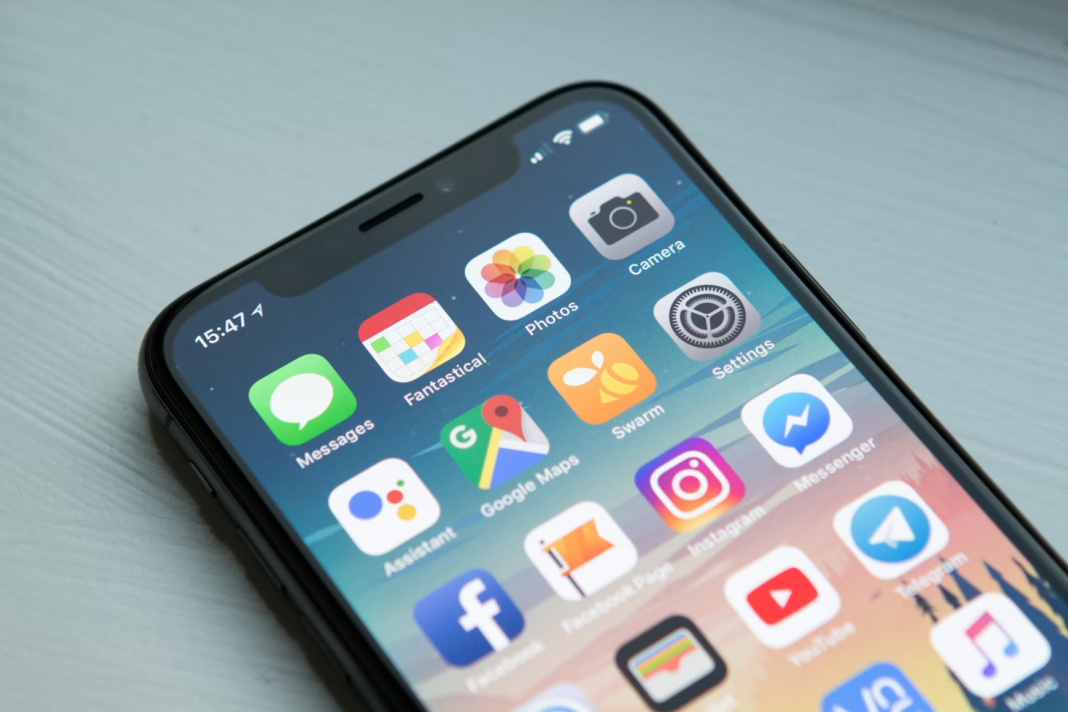

By 2026, digital behavior in Nepal feels less like “going online” and more like moving through a stack of apps without really noticing the transition. The smartphone is not only a communication device anymore. It is the scorecard, the stream, the replay machine, the notification center, the payment shortcut, and the thing people reach for first when a match swings suddenly. The latest digital snapshot for Nepal shows 32.4 million mobile connections, 16.6 million internet users, and 14.8 million social media user identities. Official telecom indicators add another useful clue: mobile broadband penetration sits at 96 percent, while total broadband penetration is above 131 percent. That is a mobile-first environment by habit as much as by infrastructure.
The strongest products in that environment do not ask users to stop what they are doing and enter a new mode. They fit around existing rhythms. A person checks a score in one minute, opens a clip in the next, and returns later for full highlights or a discussion thread. Digital success now depends on respecting that fragmented but repeatable pattern.
The home screen became the media menu
One reason this shift feels so complete is that the device itself has stabilized around mobile use. StatCounter’s February 2026 figures show Android with 77.69 percent of Nepal’s mobile operating-system market share, ahead of iOS at 22.28 percent. That does not mean every experience is identical, but it does mean app design increasingly assumes a mass Android environment where speed, storage, notifications, and battery discipline matter.
Meanwhile, connectivity has improved enough to make richer media ordinary. DataReportal’s 2026 Nepal report, drawing on Ookla data, puts median fixed download speed at 79.79 Mbps at the end of 2025, up from 70.94 Mbps at the start of 2025. Better fixed speed does not erase mobile-first behavior; it strengthens it, because users expect smoother clip playback, quicker downloads, and fewer delays across home and phone sessions.
Alerts beat homepage browsing
The classic homepage visit has lost ground to notification-led behavior. People do not always open an app to browse from the top. They arrive through a push alert, a shared link, a clip preview, or a live score ping. That changes how apps are built. They need to remember where the user was, show the important thing fast, and avoid making simple actions feel like work.
This is especially visible around sports. UEFA’s official schedule places Champions League round-of-16 ties on 10-11 and 17-18 March 2026. IPL 2026 is running through March on the league’s official calendar, while the ICC Men’s T20 World Cup 2026 has already supplied high-interest fixtures, including Nepal versus England on 8 February. Those events reward apps that can move from alert to detail in seconds.
A strong mobile product in 2026 usually gets four things right:
- timely notifications without chaos;
- light pages for live use;
- clear stat players;
- personalization that feels helpful rather than pushy.
Where sport and play now share the same design logic
Live markets fit the same mobile habit
The overlap between sports information and interactive services is no accident. When users explore online sports betting nepal, they are often drawn by the same qualities that make a good score or streaming app useful: fast entry, quick updates, readable live data, and enough market depth to make analysis feel worthwhile. During football or cricket windows, that matters because a mobile bettor is usually doing several things at once: checking lineups, scanning form, following the match, and reacting to momentum changes without leaving the screen for long.
That is why sports betting has become part of broader app culture rather than a separate digital island. The phone trains people to expect instant context, and betting products that deliver live odds, player markets, and smooth in-play navigation match that expectation closely.
Fast-play entertainment follows the same UX rules
A similar pattern appears on the gaming side. When people search for a nepali online casino, the appeal often comes down to mobile convenience: short sessions, fast-loading lobbies, recognizable game categories, and a clean path between selection and play. Casino products that work well on mobile tend to borrow the same design principles that power sports apps – clear menus, minimal friction, visible promotions, and strong responsiveness in portrait mode.
That overlap is worth noticing because it says something larger about 2026 digital habits. Users are not dividing their phones into rigid boxes called information, entertainment, and interaction. They want smooth transitions across all three.
Personalization is now expected, but control still matters
Personalization sounds technical, but most people experience it in very ordinary ways: favorite-team alerts, saved competitions, recently watched clips, recommended markets, or quick access to the same game category as last time. The best mobile products make these shortcuts feel earned. The worst ones feel noisy.
The key difference is control. Users are happy to receive smart notifications when they can shape the flow. They are much less patient when every app behaves like a loudspeaker. In a crowded mobile environment, quiet competence is underrated.
The long evening belongs to seamless platforms
By late evening, a single digital session can include messaging, streaming, stat checking, social posting, and interactive entertainment without any sense of switching worlds. That is the biggest point. Mobile-first behavior in Nepal in 2026 is not just about smaller screens. It is about platforms learning to fit the way real evenings unfold.
The products that win are the ones that understand ordinary life: attention comes in bursts, curiosity appears suddenly, and no one wants to fight with an app while the match is moving. In that environment, seamless design is not cosmetic. It is the whole game.